Enhancing Stability and Performance in a 3D CAD Conversion & Visualization Platform Through QA Testing

Client Name
USA-Based Technology Company

  • Technologies

    Open Cascade Technology (OCCT), Azure DevOps

  • Platforms

    Windows Desktop, Browser

  • Domain

    CAD/CAM Solutions

  • Country

    USA

Client Overview

The client is a well-established US-based technology company, a leading provider of technical graphics 2D & 3D software solutions, empowering end-users and software developers/integrators to achieve their production and distribution objectives. With decades of industry experience, the organization focuses on developing standards-based software that supports engineers and technical professionals in creating, viewing, and managing complex graphical data across platforms.

Project Overview

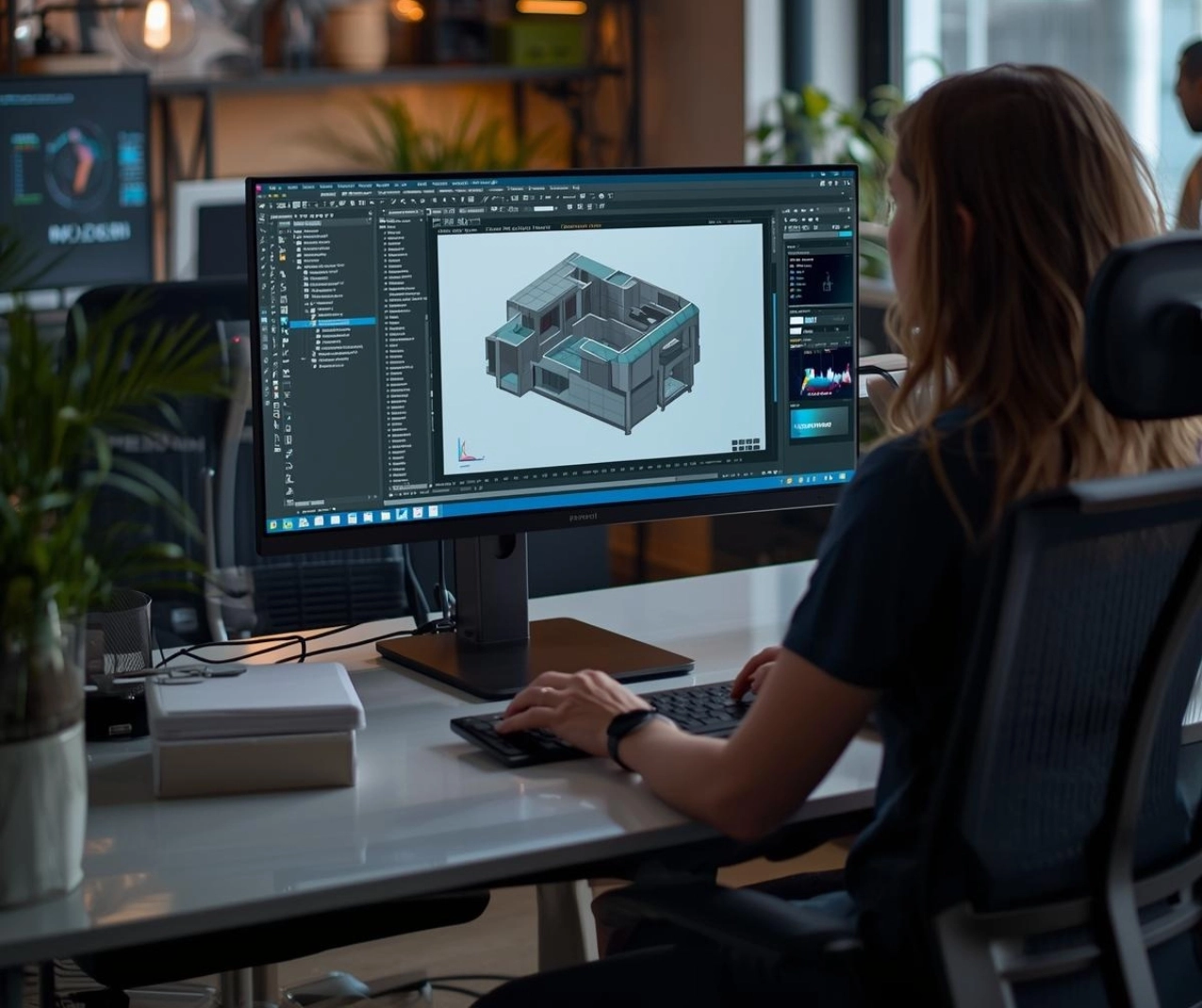
The project involved a desktop-based 3D design conversion and visualization solution, along with an associated web-based 3D viewer. The application enables the conversion of complex 3D CAD models into high-quality 2D vector illustrations and optimized 3D formats suitable for technical documentation, web viewing, and industry-compliant publishing standards. The solution supports multiple 3D input formats (STEP, IGES, GLTF, VRML) and 2D output formats (CGM, SVG, JPEG, PNG, BMP), as well as 3D output formats (X3D, GLTF, GLB, VRML), and is used by end customers for engineering visualization and documentation workflows.

Challenges

  • The project had been in active use for over 4.5 years without a structured QA process, resulting in minimal test coverage and increased quality risk.
  • Testing was limited to individual modules, with no comprehensive end-to-end or cross-module validation.
  • Most defects were identified only after deployment, either by the client or end users, leading to delayed issue detection.
  • The primary focus was on keeping select features operational rather than ensuring overall system stability and reliability.
  • This resulted in intermittent crashes, unexpected behavior, and inconsistent outputs across different workflows.

Solutions

  • Performed detailed exploratory testing to understand application behavior, workflows, and edge-case scenarios thoroughly.
  • Designed and implemented 250+ structured test cases to support daily smoke testing and weekly regression cycles, ensuring consistent quality across releases.
  • Executed comprehensive module-level and integration testing across 20+ workflows to identify and resolve high-impact defects early in the development lifecycle.
  • Established a centralized QA process using Azure DevOps for structured defect tracking, reporting, and transparency.
  • Delivered regular status updates covering defect discovery, fixes, retesting, and closure.
  • Worked closely with the development team to analyze root causes and collaboratively resolve critical issues.

Benefits

  1. Significantly improved application stability, reliability, and performance across supported platforms.
  2. Reduced production defects and minimized unexpected crashes during intensive usage.
  3. Increased confidence in product releases due to consistent regression testing and traceable QA processes.
  4. Enhanced end-user satisfaction through smoother application usage and improved overall quality.

Testimonial

“Over the past few weeks, we have tested the application extensively and have seen a noticeable improvement in stability and performance. The system feels far more reliable, and we haven’t encountered any crashes even during rigorous testing. This has given us greater confidence in moving forward with upcoming releases. Excellent work by the ProtoTech QA team.”

Michael R.

Senior Product Manager

Need Help with Your Ongoing Projects?

Have questions? Connect with us today! Explore how our innovative technology can optimize your projects and drive success. Together, we’ll take your business to the next level!

Edit Template
Back